How much does it cost to microchip a cat or dog? (UK 2026)
Updated 6 November 2026 · 5 min read
Usually between £10 and £30 at a vet, and the government puts the average at about £25 for microchipping and registration. Some charities and councils do it for less, or free. The cost people forget is the database: some charge every time you move house or take on a pet, so here's what to expect and where to save.
How much does it cost to microchip a dog?
PDSA says microchipping usually costs between £10 and £30, and the RSPCA says a vet will usually charge around £15 for a dog, though prices vary. Defra's 2020 consultation put it at generally £15 to £30.
Every dog must already be microchipped by 8 weeks old, so a puppy should come with a chip. You'll usually only pay for one yourself for an older dog that was never chipped, or one whose chip has stopped working.
How much does it cost to microchip a cat?
Cats Protection says to expect £20 to £30, depending on where you live. The RSPCA and Battersea both put it at about £10 to £30, and GOV.UK gives an average of around £25 for microchipping and registration.
In England, cats must be microchipped by 20 weeks old, so it can often be done at the same visit as a kitten's vaccinations or neutering. Ask your vet whether that's cheaper than booking it on its own.
Free and low-cost microchipping
Offers change and most depend on where you live or your income, so check before you go. These were on each organisation's own website in October 2026:
- Battersea microchips dogs free at its London centre, by appointment.
- Blue Cross charges £10 at its animal hospitals in London and Grimsby, for people on certain benefits or a state pension who live nearby.
- The RSPCA's own hospitals and clinics microchip free with any operation, for clients registered for reduced-cost care on means-tested benefits.
- Cats Protection works with partner vets so cat owners inside the M25 on qualifying benefits or low incomes can have their cat neutered and microchipped for £10.
- Woodgreen microchips cats during free home health checks for a suggested £5 donation, in some postcodes around Cambridge and Peterborough.
- Some councils' dog wardens microchip dogs free, for example in Westminster and Croydon. Others don't, so ask yours.
- Dogs Trust covers microchipping, with other preventative care, for dogs whose owners are experiencing homelessness, through homelessness services in over 100 towns and cities.
- Adopting? Rescues microchip their animals before they go home, and it's part of the adoption fee.
When it has to be done
- Dogs: microchipped and registered by 8 weeks old, everywhere in the UK. Our guide to dog microchipping law covers the rest.
- Cats in England: microchipped and registered by 20 weeks old. Our guide to cat microchipping law covers the rest of the UK.
- In England, you can be fined up to £500 if your dog or cat isn't microchipped, or isn't registered on an approved database.
- A microchip must be fitted by a trained professional, so it isn't something to do yourself.
The cost people forget: the database
The chip itself is a one-off, but your details live on a database, and you must keep them up to date by law. Some databases charge to change your address or to move a pet into a new keeper's name, and a few now charge every year. Defra estimated a change of details at about £10. Here's what some of the main databases say on their own websites (checked on 4 October 2026):
- Petlog (the Royal Kennel Club's database): since 13 January 2026, new customers need a paid plan to update their details, either Petlog Secure at £15 a year or Petlog Reunite at £39 a year, and a transfer of keepership costs £39 a year.
- identi (formerly Identibase): a £39 transfer fee, which includes 12 months of its Alert plan. Basic members have to upgrade, from £15 a year, to change their details.
- Animal Tracker: now part of identi, and its transfer pages send owners to identi (checked on 6 October 2026).
- UK PETtrac: £6 to change your address on a standard registration, and phone or email changes are free. A one-off £16.95 upgrade makes address changes free for life.
- MicroChip Central: a £15 + VAT transfer fee, paid by the new keeper.
- HomeAgain: free registration, transfers and changes of details.
So before you buy a puppy or kitten, ask which database its chip is on: it decides what you'll pay to move it into your name. Our guide to updating microchip details shows how, and if you don't know where a chip is registered, our microchip number checker explains how to find out.
Why it's worth it
Microchipped dogs are more than twice as likely to be reunited with their owner (GOV.UK, 2024). But a chip only works if the details are right: only about 31% of the chipped stray dogs councils took in last year had the correct owner details, according to the Dogs Trust Stray Dog Survey. There are more figures in our lost and stolen pet statistics.
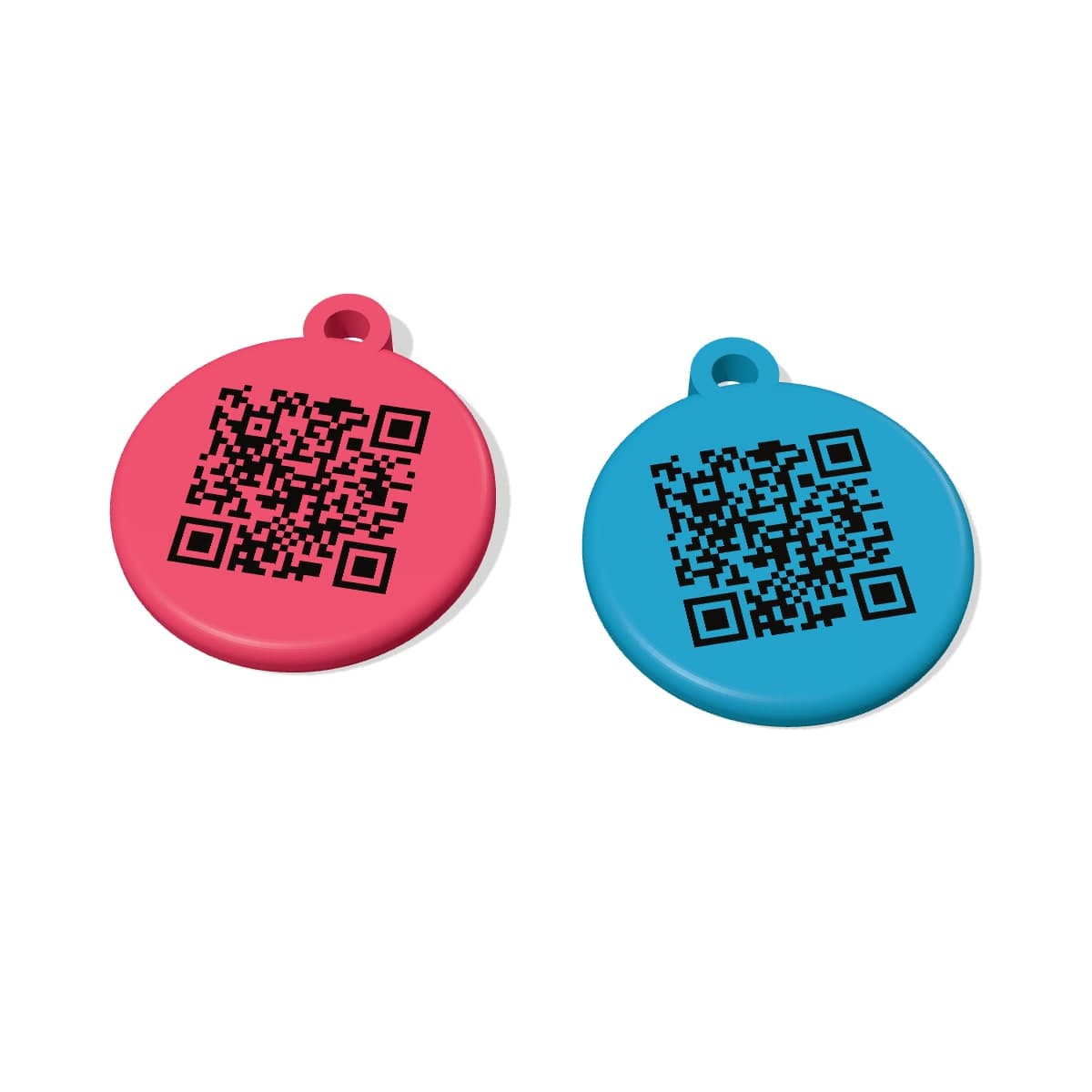
A chip can only be read with a scanner, which means a trip to a vet, a rescue or the council (a phone can't read one). A tag on the collar is what anyone can read on the spot, so the two work together: a QR code tag lets whoever finds your pet reach you straight away, for £10, paid once.
Quick answers
How much does it cost to microchip a dog in the UK?+
Usually between £10 and £30 at a vet, says PDSA, and the RSPCA says vets usually charge around £15. Some charities and councils do it for less, or for free.
How much does it cost to microchip a cat?+
Cats Protection says to expect £20 to £30, depending on where you live, and GOV.UK gives an average of around £25 for microchipping and registration.
How much does it cost to microchip a kitten?+
The same as an adult cat: Cats Protection says to expect £20 to £30, depending on where you live. In England a kitten must be microchipped by 20 weeks old, so ask your vet whether it's cheaper done at the same visit as its vaccinations or neutering.
Can I get my pet microchipped for free?+
Sometimes. Battersea microchips dogs free at its London centre, some councils' dog wardens do it free, and the RSPCA, Blue Cross and Cats Protection have free or £10 offers for people on certain benefits. Rescues include it in the adoption fee.
How much does it cost to transfer a microchip to a new owner?+
It depends on the database. Petlog and identi charge £39, MicroChip Central £15 + VAT, and HomeAgain is free. Ask which database the chip is on before you buy a puppy or kitten, and see how to transfer a microchip for each database's steps.
Do I have to pay to update my pet's microchip details?+
Often, yes. Petlog customers who joined from 13 January 2026 need a plan from £15 a year, PETtrac charges £6 to change an address, and some databases, like HomeAgain, are free. Defra estimated a change of details at about £10.
Does microchipping hurt?+
PDSA says that, like any injection, it can cause a tiny amount of discomfort, but it takes just a few seconds.
Does a microchip ever need replacing, and what does that cost?+
Rarely. PDSA says a chip very rarely fails, and when one does the manufacturer will usually provide a replacement free of charge, which your vet can put in alongside the old one. Ask your vet to scan the chip at check-ups, and see what to do if a microchip isn't working or can't be found.
Sources (24)
- Microchipping your dog (PDSA)
- Cat microchipping (PDSA)
- Dog microchipping (RSPCA)
- Microchipping your cat (Cats Protection)
- Get your dog or cat microchipped (GOV.UK)
- Cat microchipping now mandatory (GOV.UK, June 2024)
- Explanatory Memorandum to the Microchipping of Cats and Dogs (England) Regulations 2023 (legislation.gov.uk)
- Consultation on cat and dog microchipping and scanning in England (Defra, 2020)
- Dog microchipping (Battersea)
- Our affordable prices (Blue Cross)
- Vet services terms and conditions (RSPCA)
- Help with neutering costs (Cats Protection)
- Stray cats arriving at Woodgreen still not microchipped (Woodgreen)
- Microchipping your dog (Westminster City Council)
- Dog warden service (Croydon Council)
- Hope Project vet scheme (Dogs Trust)
- Updating your details (Petlog)
- Transfer of keepership (Petlog)
- How much does it cost to register my pet? (identi)
- Why am I being asked to pay? (Animal Tracker)
- Update your pet's microchip (UK PETtrac)
- Transfers FAQs (MicroChip Central)
- Transfer of keepership (HomeAgain)
- Stray Dog Survey 2025 (Dogs Trust, PDF)
This guide is general information, not legal or veterinary advice. How we write our guides