How to transfer a pet's microchip to a new owner (UK)
Updated 6 October 2026 · 6 min read
When a dog or cat changes hands, its microchip record has to move to the new keeper, or the chip will lead a vet or warden to the wrong person. In England the law puts that on the new keeper, and each database does it a little differently. Here's how it works on the main UK databases, what it costs, and what to do if the previous owner can't be reached, all from each database's own website, checked on 6 October 2026.
Check a microchip number →Paste the chip number to check it's the right shape, then find out which database it's on.The short version
- Get the chip number from the seller, breeder or rescue, and ask which database it's on. If they don't know, the Check-a-Chip lookup that GOV.UK links to will tell you.
- Make sure the record is in the seller's own name first (or the breeder's, for a puppy or kitten). See how to check a dog isn't stolen.
- Start the transfer. On some databases the old keeper starts it, on others you do, and some let either. The list below says which.
- Pay any fee, and check your name, address and phone number are showing on the record.
What the law says
In England, a keeper must not pass a cat or dog on to a new keeper unless it's microchipped (or a vet has certified it can't be), and when it changes hands, "the new keeper must, unless the previous keeper has already done so, record their full name, address and contact telephone number" with the database (regulation 9 of the Microchipping of Cats and Dogs (England) Regulations 2023). GOV.UK puts it simply: "You must make sure your pet's microchip details are updated."
For a puppy or kitten still with its mother, the law counts the owner of the mother as its keeper, so the chip is registered to the breeder first and then moved to you. Our guides to dog microchipping law and cat microchipping law cover the rest, including Wales, Scotland and Northern Ireland.
Database by database
From each database's own pages, checked on 6 October 2026. Prices change, so check before you pay:
- Petlog: either the old or the new keeper can start the transfer online, and the old keeper starting it is quickest. For customers who joined from 13 January 2026, a transfer of keepership is listed at £39 a year (its Reunite plan). Rescues registered with Petlog can transfer pets free.
- identi (formerly Identibase): the new keeper applies online and pays £39, which includes 12 months of its Alert plan, renewing every year unless you cancel. It's free if your household already has an Alert plan. Breeders start the transfer for each puppy or kitten from their own account.
- Animal Tracker: now part of identi, and its transfer pages send you to identi.
- UK PETtrac: the new keeper applies online or on a paper form, not by phone, and the charge is shown during the application. A standard change of address is £6, and phone and email changes are free.
- MicroChip Central: either keeper can start it. The new keeper pays £15 + VAT, which includes a lifetime registration and 12 months of its Premium Protection, and the transfer link lasts 7 days.
- HomeAgain: free. The new keeper phones or emails with the chip number, or the old keeper updates it online.
- MyPet: free for life on every plan. Either keeper can start it online.
- Chipworks: the old keeper gives the new keeper an 8-digit Transfer PIN, and the transfer costs £9.95 online or £19.95 by post.
- FidoID: the old keeper gives the new keeper an 8-digit PIN, and it costs £10 online or £20 by post.
There are more than 20 approved databases: see every approved UK database, and what microchipping costs for the other fees.
If the previous owner can't be reached
- identi contacts the registered keeper and gives them 28 days to confirm. If there's no reply, it approves the transfer.
- MyPet emails and texts the registered keeper for a week, and transfers the pet if there's no reply within 7 days.
- UK PETtrac says it can transfer a pet even if you have no contact with the previous keeper, with checks to stop missing or stolen pets being moved. If the previous keeper has died, it doesn't need their authorisation.
- Petlog asks you to phone its call centre. If the old keeper objects to a transfer, they have 28 days to send evidence, such as a recent vet letter showing the pet lives with them.
- Chipworks has a contact form for a new keeper without the PIN, and checks some details before issuing one.
Whichever database it is, keep your proof: the receipt, the adoption papers and vet records in your name. A chip record shows who keeps a pet, not necessarily who legally owns it, so in a dispute the databases stay neutral. See how to prove a pet is yours.
Buying from a breeder, or adopting from a rescue
A breeder should register the litter in their own name and then transfer each puppy or kitten to its new keeper. A breeder who offers to register the chip straight into your name isn't following the rules, and MicroChip Central says it doesn't allow it. On identi and MyPet the breeder starts the transfer and you finish it from an email link.
Rescues usually do the transfer for you through their own database account, and on Petlog, MyPet and Animal Tracker that's free for them. Ask before you take your new pet home, and check the record is in your name within a week or two.
Is there a 28-day objection rule?
Not in law, yet. In March 2024 the government announced reforms, including giving the current keeper 28 days to object to a transfer, a "missing" field and a central search portal, but they haven't been made law. Some databases already work this way by their own choice, such as identi and Petlog.
Watch out for look-alike sites
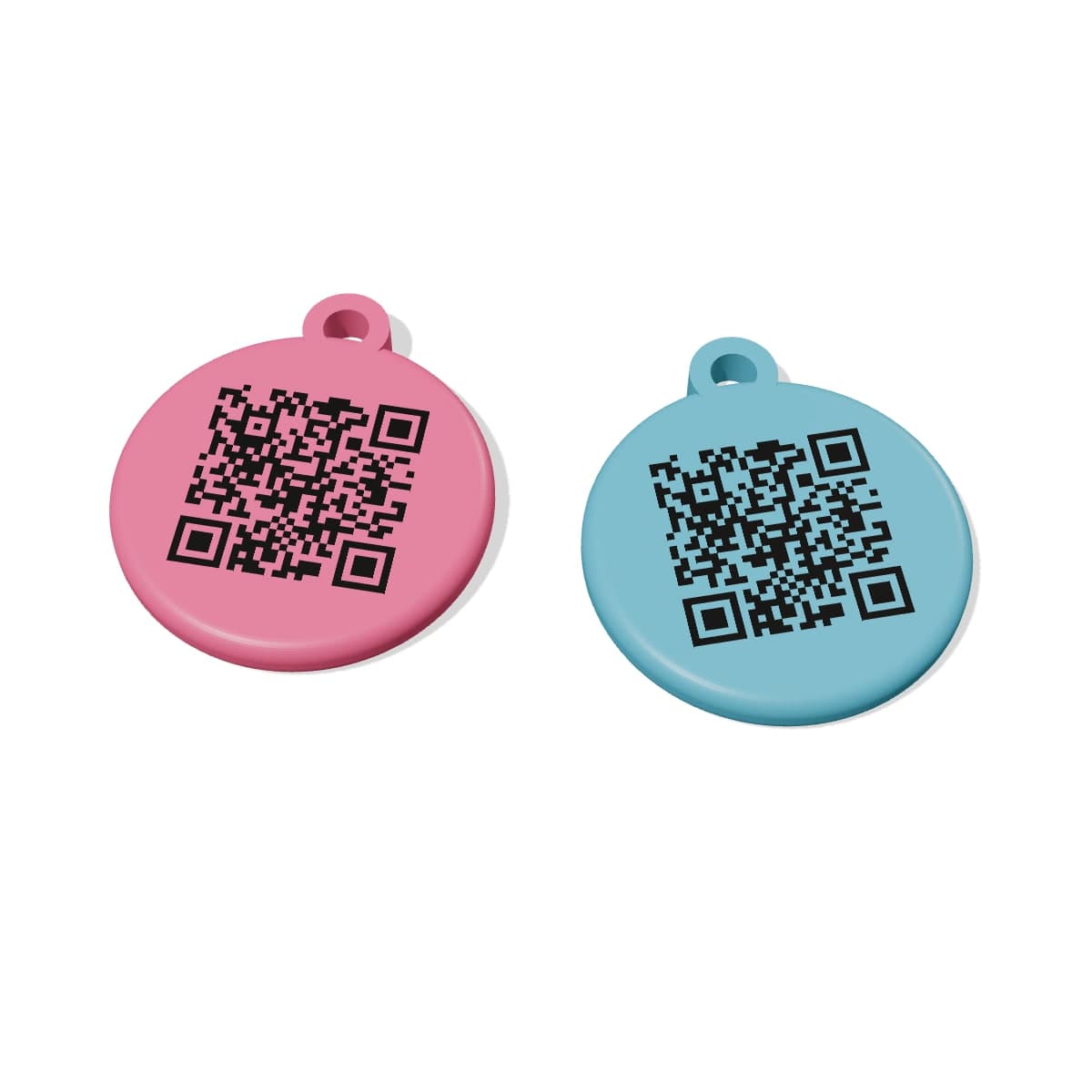
Only transfer a chip on a database on GOV.UK's approved list, and go to its website yourself rather than clicking a link in an email: look-alike sites charge for registrations that don't count. Our guide to microchip scams has the warning signs. Once the chip is in your name, a QR code tag gives whoever finds your pet a way to reach you on the spot.
Quick answers
How much does it cost to transfer a microchip to a new owner?+
It depends on the database. HomeAgain and MyPet are free, Chipworks is £9.95 online, FidoID £10, MicroChip Central £15 + VAT, identi £39 including a year of its Alert plan, and Petlog lists £39 a year for customers who joined from 13 January 2026.
Who has to transfer the microchip, the old owner or the new one?+
In England, the new keeper must record their details with the database unless the previous keeper has already done it. In practice, some databases need the old keeper to start it, some the new keeper, and some let either.
Can I transfer a microchip without the previous owner?+
Often, yes. identi approves a transfer if the registered keeper doesn't reply within 28 days, MyPet within 7, and UK PETtrac says it can transfer without contact with the previous keeper, after its own checks. Keep your receipt or adoption papers as proof.
Can a breeder register the microchip in my name?+
Not first. The breeder counts as the keeper of a puppy or kitten still with its mother, so the chip is registered to them and then transferred to you.
How long does a microchip transfer take?+
From minutes to a few weeks. A transfer started by the current keeper usually goes through when you click the link, while a request the registered keeper doesn't answer can take up to 7 days on MyPet or 28 days on identi.
Sources
- The Microchipping of Cats and Dogs (England) Regulations 2023, regulation 9 (legislation.gov.uk)
- Get your dog or cat microchipped (GOV.UK)
- Buying a cat or dog (GOV.UK, December 2025)
- More lost pets to return home as microchipping system reformed (Defra, March 2024)
- Transfer of keepership (Petlog)
- Help centre for pet keepers (Petlog)
- Missing, stolen or in a dispute (Petlog)
- Transferring keepership (identi help centre)
- How much does it cost to register my pet? (identi)
- Animal Tracker
- Microchip FAQs (UK PETtrac)
- Transfers FAQs (MicroChip Central)
- Transfer of keepership (HomeAgain)
- Microchip database pricing (MyPet)
- Transfer of keeper (Chipworks)
- Fees (Chipworks)
- Pricing (FidoID)
This guide is general information, not legal or veterinary advice. How we write our guides