New kitten checklist: buying, what you need and the law (UK)
Updated 6 October 2026 · 5 min read
A new kitten means a lot to get ready. This checklist covers what to check if you're buying one, what to buy, how to set up your home, the health timeline your vet will follow, the microchipping law, and how to keep your kitten safe once they start exploring.
Free cat tag wording maker →Lay out your kitten's first ID tag, with your phone number first, and preview it.If you're buying a kitten: what to check
- In England, a licensed pet seller can't sell a kitten under six months old unless it bred the kitten itself (Lucy's Law, since 6 April 2020), so buy direct from the breeder or adopt from a rescue centre (bringing home a rescue cat).
- See the kitten with its mother, where it was born, and check the mother is healthy and friendly.
- Kittens shouldn't leave their mother until they're at least eight to nine weeks old, says Cats Protection.
- Ask whether the kitten has been vaccinated, neutered and microchipped, and for the records.
- If it's microchipped, ask for the chip number and which database it's on, and have the record moved into your name. In England every pet cat must be microchipped by 20 weeks old, and some databases charge for a transfer: see what microchipping costs.
- Don't be rushed, don't buy from a video alone, and be wary of a seller who offers to post a pedigree certificate after you've paid. Cats Protection lists these as warning signs of a scam, and doesn't recommend buying kittens advertised on social media.
Before you bring them home
- Cats Protection says a kitten raised with its mother should stay with her until at least eight weeks old, so it can learn from her and feed independently.
- Kittens adopted from Cats Protection come health checked, vaccinated and microchipped, and neutered or with a voucher to get it done for free. Adopting an older cat instead? See bringing home a rescue cat.
Your kitten shopping list
- Complete kitten food (how much to feed works out the portions), and separate bowls for food and water
- A litter tray and litter, to go away from their food
- A bed, and a few places to hide
- A scratching post, and somewhere high to perch
- Toys, especially fishing-rod toys you play with together
- A sturdy cat carrier for trips to the vet
- A brush or comb
Start in one quiet room
Set up a quiet room with a door you can close, with food and water, a litter tray away from the food, a bed, somewhere to hide and a scratching post. Let your kitten explore the rest of the house bit by bit once they're confident.
Kittens like to eat little and often: Cats Protection says to feed them at least four times a day, and to put their water away from their food.
Kitten-proof your home
- Keep lilies out of the house: Cats Protection says they're highly toxic to cats.
- Block gaps behind cupboards and appliances.
- Keep windows shut or screened, and the toilet lid down.
- Lock away medicines and cleaning products.
- Keep the washing machine and tumble dryer doors closed, and check inside before you switch them on.
- Never let a kitten onto a balcony, and keep hot drinks and loose cables out of reach.
The health timeline
- First vaccinations at 8 to 9 weeks old, with another 3 to 4 weeks later. Your vet sets the exact plan.
- Flea and worm treatment: ask your vet what suits your kitten's age and weight.
- Neutering at around four months old, as Cats Protection recommends, to prevent unwanted kittens. Don't let your kitten outside until it's done.
- Microchipped and registered by 20 weeks old. It's the law in England, and you must keep the details up to date. The other rules are in our guide to UK cat laws.
When can my kitten go outside?
Cats Protection advises waiting until your kitten is settled, fully vaccinated, neutered and microchipped. Then let them out just before a mealtime, so you can call them back with food, and go outside with them. Our guide to letting a cat out for the first time has more.
ID: microchip first, collar optional
A microchip is the most important ID, and in England it's the law. It can't fall off, and vets and rescue centres can scan it.
A collar is up to you, and our guide to cat collar safety covers the risks. If you use one, choose a quick-release collar that pops open if it catches on something, never an elastic one, and make sure you can fit two fingers underneath. Kittens grow fast, so check the fit often.
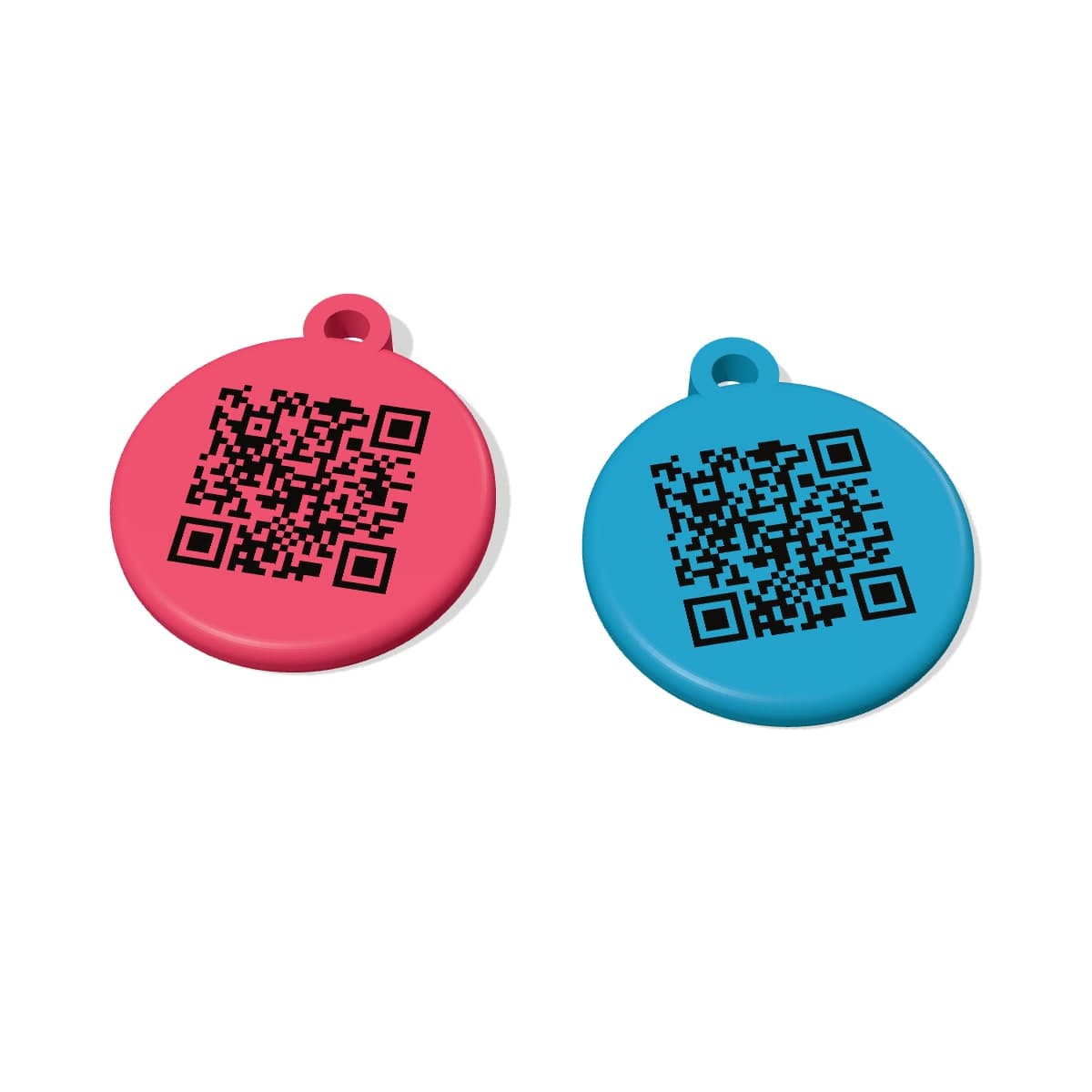
A light QR code cat tag on the collar means a neighbour who finds your kitten can scan it with their phone and reach you straight away, without a trip to the vet.
Paperwork to keep together
- The adoption or purchase paperwork
- The vaccination record
- The microchip number and which database it's on
- Your vet's details, and your insurance documents if you have insurance
- A few clear photos, updated as your kitten grows
Quick answers
What should I check when buying a kitten?+
See the kitten with its mother where it was born, make sure it's at least eight to nine weeks old, and ask for its vaccination, neutering and microchip records. In England, a pet shop or dealer can't sell a kitten under six months old that it didn't breed (Lucy's Law).
When must a kitten be microchipped?+
In England, by the time they're 20 weeks old, and you must keep the details up to date. If your cat isn't microchipped, you'll have 21 days to get it done or you could be fined up to £500.
How old should a kitten be before leaving its mother?+
At least eight weeks old, says Cats Protection, so they can learn from their mother and feed independently. Its buying advice says eight to nine weeks.
When can my kitten go outside?+
Once they're settled, fully vaccinated, neutered and microchipped. Your vet can tell you when that is.
Should my kitten wear a collar?+
It's up to you. A microchip is the main way to identify a cat. If you choose a collar, use a quick-release one and keep anything on it small and light.
Sources (7)
- Buying a kitten (Cats Protection)
- Lucy's Law spells the beginning of the end for puppy farming (GOV.UK, April 2020)
- The Animal Welfare (Licensing of Activities Involving Animals) (England) (Amendment) Regulations 2019 (Lucy's Law)
- Bringing a new kitten home (Cats Protection)
- Kitten neutering (Cats Protection)
- Choosing a cat collar (Cats Protection)
- The Microchipping of Cats and Dogs (England) Regulations 2023 (legislation.gov.uk)
This guide is general information, not legal or veterinary advice. How we write our guides