Fireworks and pets: how to keep dogs and cats calm (2026 UK)
Updated 22 October 2026 · 5 min read
Fireworks are loud, sudden and unpredictable, and lots of dogs and cats find them frightening. A scared pet can bolt through an open door or a gap in the fence, so fireworks nights are a risky time for pets to get lost. A little planning makes a big difference, and the same goes for Halloween a few nights earlier.
Fireworks dates for 2026
- Halloween: Saturday 31 October. Some people let fireworks off that weekend.
- Bonfire Night: Thursday 5 November. Organised displays are often on nearby weekends, so expect bangs from late October to mid-November.
- Diwali: Sunday 8 November. In England and Wales, fireworks are allowed until 1am that night.
- New Year's Eve: Thursday 31 December, also until 1am.
- Chinese New Year: Saturday 6 February 2027, also until 1am.
When fireworks are sold and allowed
In England and Wales, registered sellers can only sell fireworks for private use from 15 October to 10 November, from 26 to 31 December, and in the three days before Diwali and Chinese New Year (at other times only licensed shops can), so those are the busiest times.
Fireworks mustn't be set off between 11pm and 7am, except on Bonfire Night (until midnight) and on New Year's Eve, Diwali and Chinese New Year (until 1am). Setting fireworks off in the street or another public place is against the law too, and GOV.UK says breaking the rules can mean an unlimited fine and up to 6 months in prison, or an on-the-spot fine of £90. Check which local displays are planned, so you know which nights to prepare for.
In Scotland, people can only set off fireworks between 6pm and 11pm, with the same later finishes on Bonfire Night (midnight) and New Year's Eve, Diwali and Chinese New Year (1am), and breaking the rules can mean a fine of up to £5,000, up to 6 months in prison, or both. Councils can also set up firework control zones, where nobody may set fireworks off at all, even in their own garden: Edinburgh, for example, will have 14 from 30 October to 8 November 2026. Check your council's website for zones near you.
In Northern Ireland, you need a fireworks licence from the Department of Justice to buy, keep or use fireworks, apart from indoor fireworks and sparklers.
Signs your pet is scared
- Trembling, shaking, panting or drooling.
- Hiding or cowering behind furniture.
- Whining, whimpering, barking or crying.
- Smaller changes in how they normally behave: PDSA says some dogs don't show such obvious signs.
Before the fireworks start
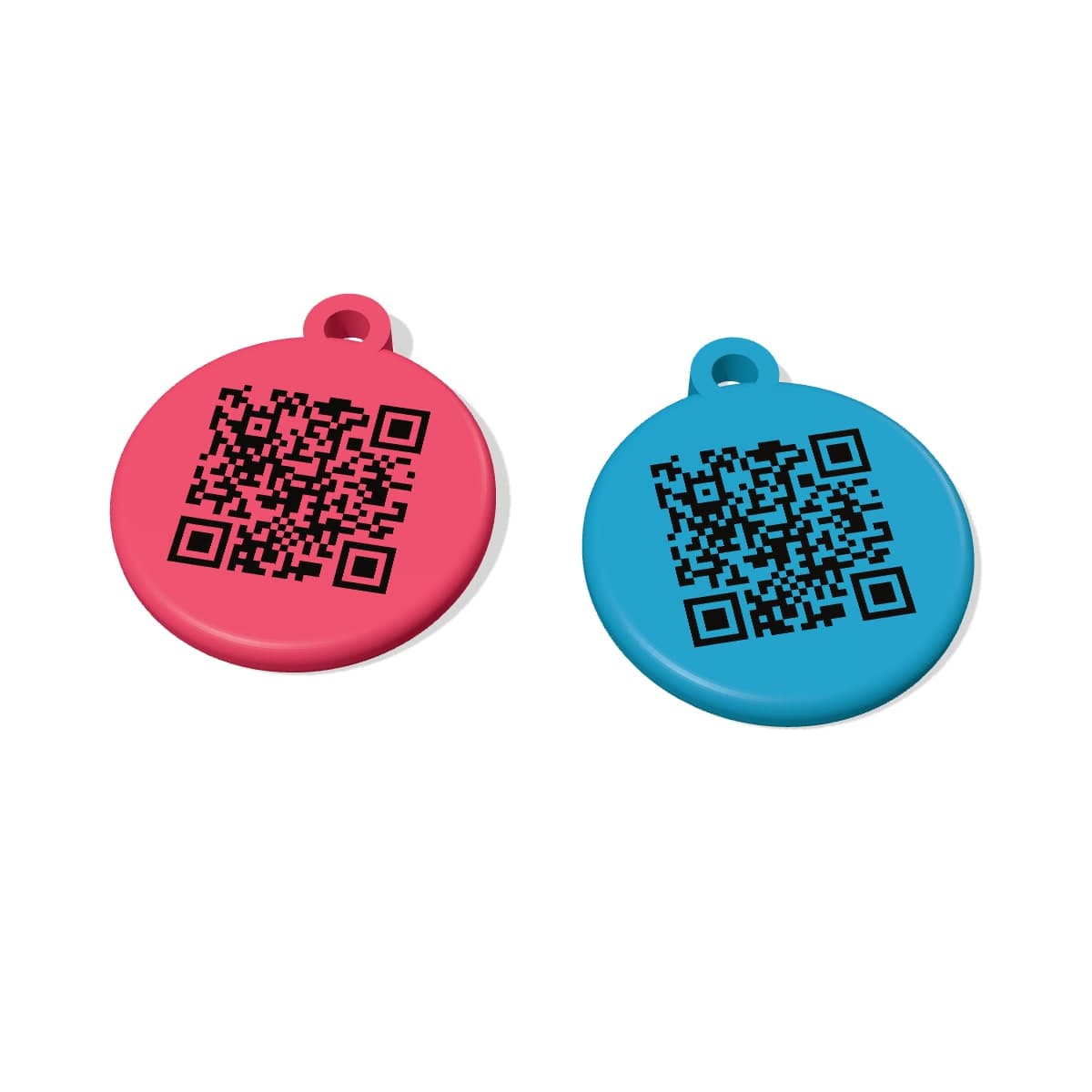
- Check your pet's microchip details are up to date, and that their collar and tag are on. A QR code dog tag or cat tag lets whoever finds them reach you straight away, even if they bolt at the bangs.
- Walk dogs while it's still light and get home well before dark, as PDSA advises. Later on, wait for a gap in the fireworks for a quick toilet trip, on a lead.
- Bring cats in well before dark and lock the cat flap. PDSA suggests moving their dinner a little earlier a few weeks ahead, so they get used to coming home before dark, and putting a litter tray near their den (one per cat, plus a spare).
- Make a cosy den in a quiet room, with blankets over the top and a few favourite toys. Let your pet use it whenever they like, but don't shut them in.
- Check fences and gates (see how to stop your dog escaping), and close windows and curtains.
- If you'd like to try a calming pheromone diffuser, PDSA says to plug it in a few weeks before fireworks season and keep it topped up until the season ends. Calming supplements help some pets more than others.
- If your pet is very frightened, speak to your vet well before the season, as PDSA advises, so there's time to find the right medication. Never give medicine your vet hasn't prescribed, and read the label: Dogs Trust says many need to be given before the fireworks start.
During the fireworks
- Close the curtains and turn the lights on to block out the flashes, as Dogs Trust suggests.
- Put on the TV or some music to help muffle the bangs. Dogs Trust's free Sound Blanket, made with the University of Salford, is designed to mask firework noise.
- Let your pet hide if they want to, and don't pull them out of their den.
- Stay calm yourself. If your dog comes to you for reassurance, Dogs Trust says to calmly comfort them: ignoring them won't help.
- Never tell them off for being scared, or for any mess they make while frightened.
- Take care when opening the front door, so nobody slips out.
- Stay with your dog if you can, because Dogs Trust says they could panic if left alone, and never force them outside during fireworks.
Rabbits, guinea pigs and other small pets
Small pets get frightened too. PDSA says to bring them inside if you can, into a cool room, or else into a car-free garage or shed. If the hutch has to stay put, turn it to face the wall or partly cover it with blankets, keeping it well ventilated, and give them extra bedding and hiding places with more than one way out.
If your pet goes missing
More pets go missing around fireworks: Petlog had 81% more dogs reported missing in the two weeks around Bonfire Night and Diwali in 2023 (30 October to 13 November) than in the two weeks before, and in a Royal Kennel Club survey 13% of owners said their dog had tried to run off during fireworks. In 2021, Petlog saw 34% more dogs marked missing in the fortnight of Bonfire Night and Diwali than in the two weeks after. Our UK pet statistics have more figures on pets and fireworks.
Search nearby straight away and tell your neighbours. If your pet wears a PetTag, turn on lost mode, so anyone who scans the tag knows they're missing and you're emailed when it's scanned. Then work through our lost dog or lost cat checklist.
Longer-term help
If your pet is very frightened of fireworks, talk to your vet well before the season starts. They can check for other health problems and suggest a plan, such as slowly getting your pet used to the sounds, or refer you to a qualified behaviourist.
Quick answers
What time do fireworks have to stop in the UK?+
In England and Wales, fireworks mustn't be set off between 11pm and 7am, except on Bonfire Night (until midnight) and on New Year's Eve, Diwali and Chinese New Year (until 1am). In Scotland they're only allowed from 6pm to 11pm, with the same later finishes on those nights.
When is Bonfire Night 2026?+
Thursday 5 November 2026. Many organised displays are on the weekends either side, so expect fireworks from late October to mid-November, with Diwali on Sunday 8 November.
How do I keep my dog calm during fireworks?+
Walk them well before dark, shut windows and curtains, put on the TV or music, and give them a den to hide in. Stay calm yourself, and talk to your vet early if they're very frightened.
Should I comfort my dog during fireworks?+
Yes, if they come to you. Dogs Trust says to calmly give them attention and comfort, because ignoring them won't help, and to let them hide if they'd rather. Never tell them off for being scared.
Can I give my dog something to calm them during fireworks?+
Only medicine your vet has prescribed: PDSA says never to give your dog any medication that hasn't been. See your vet well before the season so there's time to find the right one. Calming pheromone diffusers and supplements help some dogs, and a diffuser should go in a few weeks before the fireworks.
How long does fireworks season last?+
In 2026 expect bangs from late October, with Halloween on Saturday 31 October, to mid-November, with Bonfire Night on Thursday 5 November and Diwali on Sunday 8 November. In England and Wales, registered sellers can sell fireworks from 15 October to 10 November, then again from 26 to 31 December for New Year's Eve.
How can I tell if my dog is scared of fireworks?+
Look for trembling, panting, drooling, hiding, cowering, whining or barking. Some dogs only show small changes in how they normally behave, so watch for anything unusual on fireworks nights.
Should I keep my cat in on Bonfire Night?+
Yes. PDSA says to get them inside well before dark and lock the cat flap, and to give them a litter tray and a den to hide in.
Sources (13)
- Fireworks: the law (GOV.UK)
- Fireworks: the law in Scotland (gov.scot)
- Firework control zones (gov.scot)
- Edinburgh to introduce ten Firework Control Zones for 2026 (City of Edinburgh Council)
- Fireworks (nidirect)
- When is Diwali? (Royal Museums Greenwich)
- More dogs go missing during fireworks season (Petlog, November 2022)
- How to help your pet through firework season (PDSA)
- Dogs and fireworks (PDSA)
- Cats and fireworks (PDSA)
- Small pets and fireworks (PDSA)
- Supporting your dog during fireworks (Dogs Trust)
- Fireworks season sees 81% increase in dogs going missing (Royal Kennel Club, October 2024)
This guide is general information, not legal or veterinary advice. How we write our guides