QR pet tag problems: what owners complain about (2026)
Updated 5 November 2026 · 5 min read
We make PetTag (pet-tag.app), so read this knowing that. In November 2026 we read the low-star reviews of the QR and smart pet tags sold in the UK, on Trustpilot, Amazon UK and the app stores. The same few problems came up again and again, whichever brand it was. Here they are, with what to check before you buy any tag, and where PetTag stands on each, including where it doesn't solve the problem.
1. "I didn't know it needed a plan"
By far the most common complaint: a tag sold as free or "no subscription", where a monthly plan started at the end of set-up on the card used for the postage, or where hiding your phone number or address, texts or a replacement tag turned out to need one. Owners also wrote about plans that could only be cancelled in a web browser, not the app, and charges after they'd cancelled.
Check: what's free, what's paid, what stops working if you stop paying, and how you cancel. One UK tag's own page says its codes stop opening your contact details once you cancel. Our subscription costs guide lists who charges what, and cancelling a pet tag subscription how to leave each one.
PetTag: £10 once, no subscription needed. Hiding your number, finder messages, lost mode and an email when the tag is scanned are all in the price, with nothing to cancel later.
2. "Someone scanned it, and I never heard"
The most serious one. Owners said a finder scanned their pet's tag but no alert came, because the alert went to an app that had signed them out, or the location only appeared if the finder agreed to share it, or it was miles out.
Check: how you're told about a scan, and whether it depends on an app staying signed in or on the finder pressing a button.
PetTag: you're emailed every time the tag is scanned, free (at most once every 15 minutes), so there's no app to stay signed in to. The email gives the rough area from the scanner's network, which is the area, not the exact spot. For the exact spot, a finder can send their location with one tap, and that one is up to them.
3. "The code wore off, or stopped scanning"
Printed or inked codes on silicone and resin tags that faded within a year until phones couldn't read them, and engraving that scratched or faded.
Check: is the code printed on top, or part of the tag? And scan your pet's tag every month or so, whichever you buy.
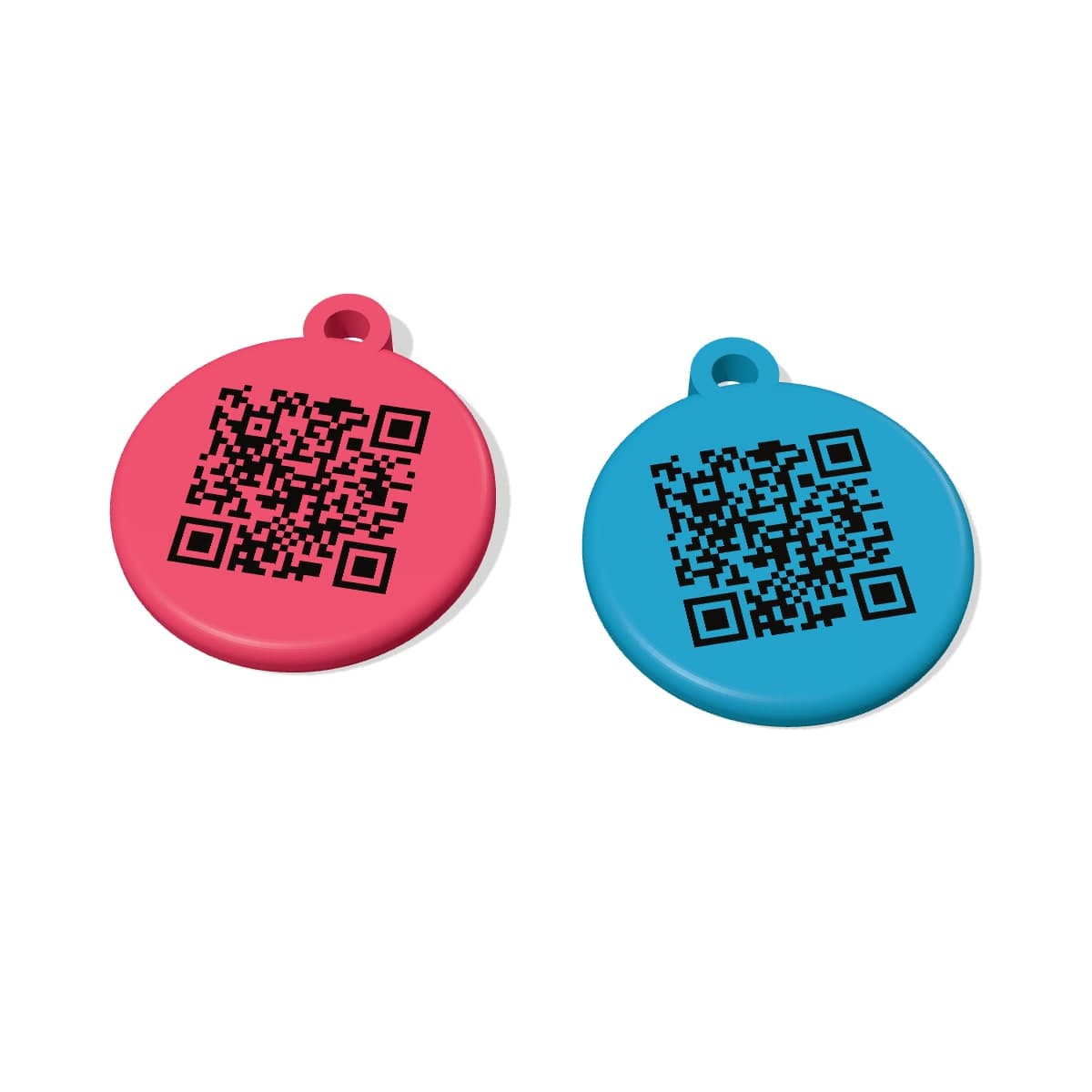
PetTag: the black code is a separate part set flush into the face, not ink or a sticker, so there's nothing to rub off. The plastic does pick up scuffs over time, like any tag. Why dog tags wear out has more.
4. "It fell off on a walk"
Thin split rings and chains that opened or snapped, sometimes on the first walk, and heavy tags pulling on light rings.
Check: the ring, and the tag's weight for your pet's size. Any ring can open, so look at it now and then.
PetTag: about 4 g and comes with a split ring. We can't promise a ring never opens, so here's how to attach a tag so it stays on.
5. "I couldn't change my details"
Tags whose details locked once they were set up, which left owners with a useless tag after a new phone number or a move.
Check: can you edit everything yourself, any time, without buying a new tag?
PetTag: change anything on your pet's page from your phone or computer, any time, and the tag shows it the next time it's scanned.
6. "The app wouldn't let me register"
Tags that wouldn't register in their app, apps that asked for location all the time or pushed paid add-ons, and registrations that lost what had been typed in.
Check: does the owner need an app, and does the finder? A finder should only ever need their phone camera.
PetTag: no app for anyone. You set it up in your phone's web browser, and finders scan with their camera.
7. "It's too big for my cat"
Tags that turned out bigger than the photos suggested, too big for a cat or a small dog.
Check: the size in millimetres and the weight, not the photo.
PetTag: three sizes, 40 mm, 34 mm and a 29 mm Mini, all the same price. See small dog tags and should my cat wear a collar.
What we didn't see much of
Few reviews said a QR tag was a bad idea in itself. Most were about fees, alerts, wear and rings. And for a dog, a QR code doesn't show your name and address on its own, which UK law asks for in public: put them on the tag's back or on an engraved tag alongside (the UK dog tag law).
Quick answers
Do QR pet tags stop working?+
Some do if you stop paying for their plan: check what still works before you buy. A printed code can also wear until phones can't read it, so scan your pet's tag now and then. PetTag needs no plan, and its code is set into the tag rather than printed on top.
Why didn't I get a location when my pet's tag was scanned?+
With most QR tags, the exact location only comes if the finder agrees to share it from their phone. Some tags also send a rough area worked out from the scanner's network, which can be off. PetTag emails you the rough area on every scan, free, and the finder can send their exact location with one tap.
Which QR pet tag has no hidden fees?+
Several UK tags are one-off purchases: PetTag (£10), CollarCode (£4.99 plus delivery), Pet-Tags and Tagged Pets (£19.99) and Paw ID (£29.99, with an optional Premium plan). Our UK QR pet tags compared guide has each one's fees from its own website.
Sources (3)
This guide is general information, not legal or veterinary advice. How we write our guides