Buying a dog or puppy? How to check it isn't stolen (UK)
Updated 24 September 2026 · 5 min read
Stolen dogs are sometimes sold on through online adverts, and puppies are sold by people who never bred them. A few checks before you hand over any money make both much harder to get away with. Most take minutes, and a genuine seller won't mind any of them.
Free microchip number checker →Check the chip number a seller gives you is a real one, and find out which database should hold it.Ask for the microchip number
Every dog in the UK must be microchipped and registered by the time it's 8 weeks old, so any dog or puppy for sale should already have a chip. GOV.UK says to ask for proof before you get one: a microchip certificate, vet records or a pet passport.
- Get the chip number (15 digits on any recent chip) and the name of the database it's on. Our microchip number checker shows whether the number is a real one, and Check-a-Chip tells you which database holds it.
- A puppy's chip must be registered to its breeder first. Dogs Trust says a breeder who offers to register the chip straight into your name is breaking the law.
- An older dog's chip should be registered to the person selling it, at the address you're visiting.
- No checker shows who a chip is registered to, because the databases keep that private. So ask the seller to show you their registration, in their name.
Ask the seller to start the microchip transfer
Moving the chip record into your name is the strongest check of all, because it needs the person the dog is registered to. Petlog, for example, says the simplest way is for the registered keeper to start the transfer from their online account.
Ask the seller to start it while you're there, before you pay. Someone who can't, or keeps finding reasons not to, may not be the dog's keeper at all.
Meet the seller at home
- See a puppy with its mother, in the home where it was born. GOV.UK and the RSPCA both say so, and the RSPCA says never to buy if you have doubts about the breeder.
- Be wary of anyone who wants to meet in a car park or at a service station, or who offers to bring the dog to you.
- Ask to see vet records in the seller's name. A dog that's lived with them for a while will have a vet history, and GOV.UK says to avoid sellers who can't show health records.
- A responsible seller won't rush you, says GOV.UK, and should be asking you questions too. Pressure to pay today, or to pay a deposit before you've seen the dog, is a reason to stop.
- In England, puppies under six months old can only be sold by the person who bred them, or rehomed by a rescue (Lucy's Law). Our new puppy checklist has more on buying a puppy.
Check the advert and the dog
- Put the seller's name and phone number into a search engine. The government's Petfished campaign says to avoid sellers with lots of adverts.
- Licensed breeders and pet sellers should show their council licence number online, says GOV.UK. If an advert has one, ring that council to check it.
- Search the breed, colour and area on DogLost and in local lost-pet groups, and put the advert's photos into a reverse image search such as Google Lens. If the dog looks like one reported missing, or the photos turn up somewhere else, don't buy it.
- GOV.UK says to take care if a dog is advertised as having a pet passport, as it may have been imported.
- Be careful with a price far below what the breed usually sells for.
If you think a dog for sale is stolen
- Don't hand over any money.
- Report it to the police on 101, with a link to the advert and the seller's details. If it matches a dog reported missing, let the owner know through the post or site where you saw it.
- Report the advert to the website or app it's on.
- Worried about the health or welfare of dogs being sold? GOV.UK says to contact your council's Trading Standards.
Once the dog is yours
- Check the chip record has your name, address and phone number. The law puts that on you, as the new keeper, unless the seller has already done it. Our guide on updating microchip details explains how.
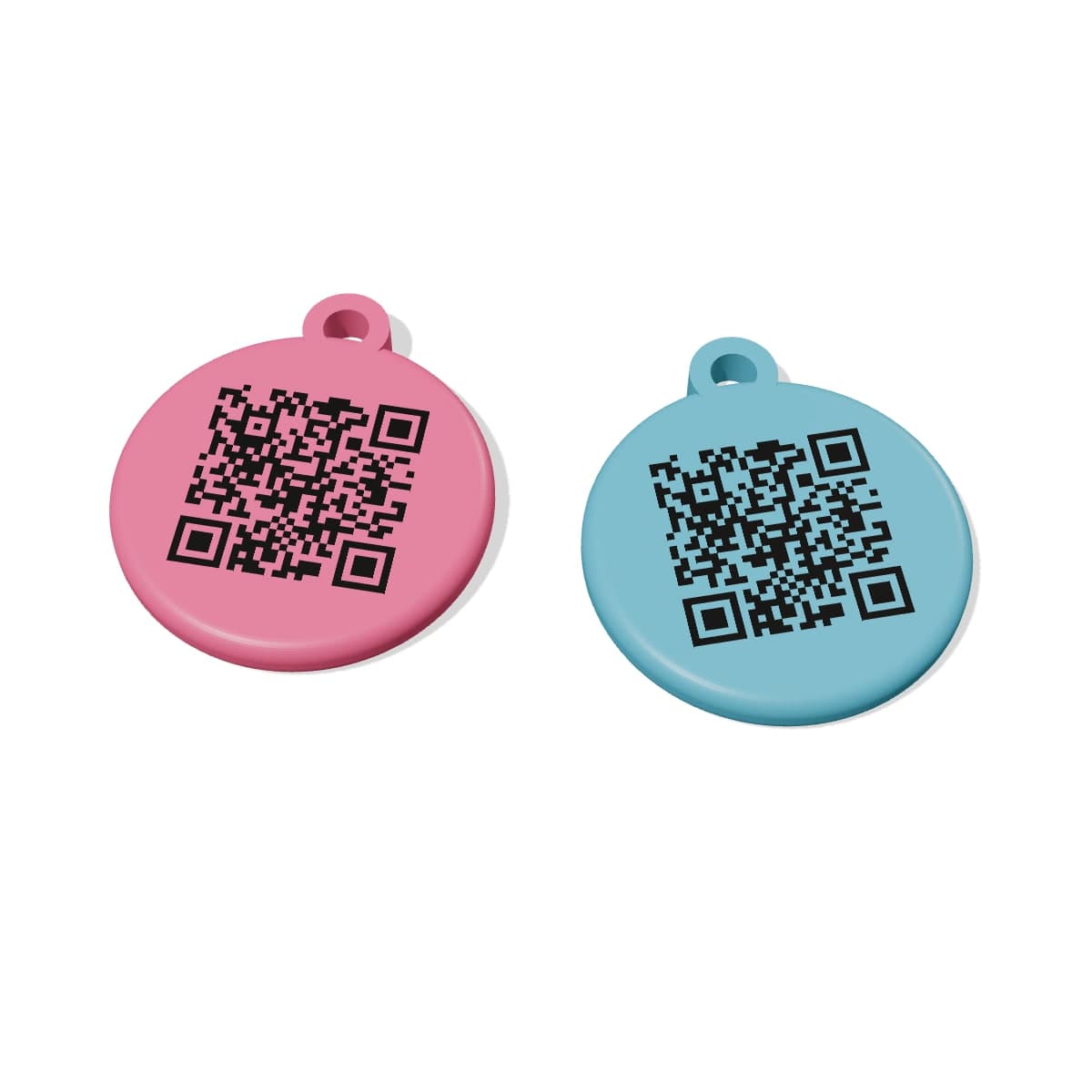
- Put a tag on the collar with your name and address: the law requires it whenever your dog's out in public. A QR code dog tag also lets whoever finds your dog reach you straight away.
- Book a vet check in the first week, and ask the vet to scan the chip so you know the number matches your paperwork.
- Keep the paperwork and some clear photos together. They're how you prove a dog is yours if you ever need to.
Quick answers
How can I check if a dog is stolen?+
There's no public list to search by chip number, so check the chip and the seller together. A puppy's chip should be registered to its breeder and an older dog's to the seller, and the seller should be able to start the microchip transfer to you. Search DogLost and local lost-pet groups for dogs like it too.
Can I find out who a dog's microchip is registered to?+
No. Check-a-Chip tells you which database holds a chip number, but the databases keep the keeper's details private. Ask the seller to show you their registration, and to start the transfer to you.
Can a breeder register the microchip in my name?+
Not first. The chip must be registered to the breeder, then transferred to you. Dogs Trust says a breeder who offers to register it straight into your name is breaking the law.
Is it illegal to sell a dog that isn't microchipped?+
Yes. In England, a keeper must not pass a dog on to a new keeper unless it's microchipped, or a vet has certified that it shouldn't be for health reasons. That's regulation 9 of the Microchipping of Cats and Dogs (England) Regulations 2023.
What should I do if I think a dog for sale is stolen?+
Don't pay. Report it to the police on 101 with a link to the advert, report the advert to the site it's on, and check DogLost for missing dogs that match.
Sources
- Buying a cat or dog (GOV.UK)
- Get your dog or cat microchipped (GOV.UK)
- The Microchipping of Cats and Dogs (England) Regulations 2023
- Dog microchipping questions and answers (Dogs Trust)
- Buying a puppy (RSPCA)
- Don't get 'Petfished' this Christmas (GOV.UK, 2021)
- Help centre: transferring keepership (Petlog)
- Check-a-Chip
- DogLost
This guide is general information, not legal or veterinary advice. How we write our guides