New puppy checklist: buying, ID, paperwork and the law (UK)
Updated 22 October 2026 · 4 min read
A new puppy means a lot to organise. This checklist covers the parts that keep your puppy safe and legal: buying responsibly, the microchip, their ID tag, the first vet visits, and when the collar should be on.
Free dog tag wording maker →Lay out your puppy's first ID tag and check it has what the law asks for.Before you buy: Lucy's Law
In England, pet shops and other licensed sellers can't sell a puppy under six months old unless they bred it themselves (Lucy's Law, since 6 April 2020), so buy direct from the breeder or adopt from a rescue centre. Ask to see the puppy with its mother where it was born, and walk away if the seller makes excuses.
Before you pay, check the puppy's microchip is registered to the breeder. Our guide on checking a dog isn't stolen has that and the other checks worth making.
Adopting an older dog instead? See our guide to bringing home a rescue dog.
- GOV.UK's checks: meet the puppy with its mother and the litter in their own home, never buy a puppy younger than 8 weeks, and ask for the vaccination certificates, microchip records and worming and flea treatment records.
- Anyone breeding 3 or more litters in 12 months and selling any of the puppies, or running a breeding business, needs a licence from the council, and must show the licence number in their adverts (which dog licences still exist). GOV.UK says to check the number with the council.
- A good seller won't rush you, and will ask questions about you too.
- Don't pay a deposit for a puppy you haven't seen, and run the advert through our free puppy scam checker first. People lost over £2.6 million in a year to deposits for pets that didn't exist (Action Fraud, 2021), and Santander says its customers' losses to pet scams went up five times in early 2026: see pet scams.
The microchip
- By law, puppies must be microchipped and registered by the time they're 8 weeks old, so the breeder should have done it before you collect your puppy.
- Ask for the microchip number and which database it's on.
- Transfer the record into your name straight away. Our guide to updating microchip details explains how.
Collar and ID tag
Once your puppy goes out in public, the law says they must wear a collar with your name and address on it, or on a tag attached to it. Our guide to getting a puppy used to a collar shows how to start.
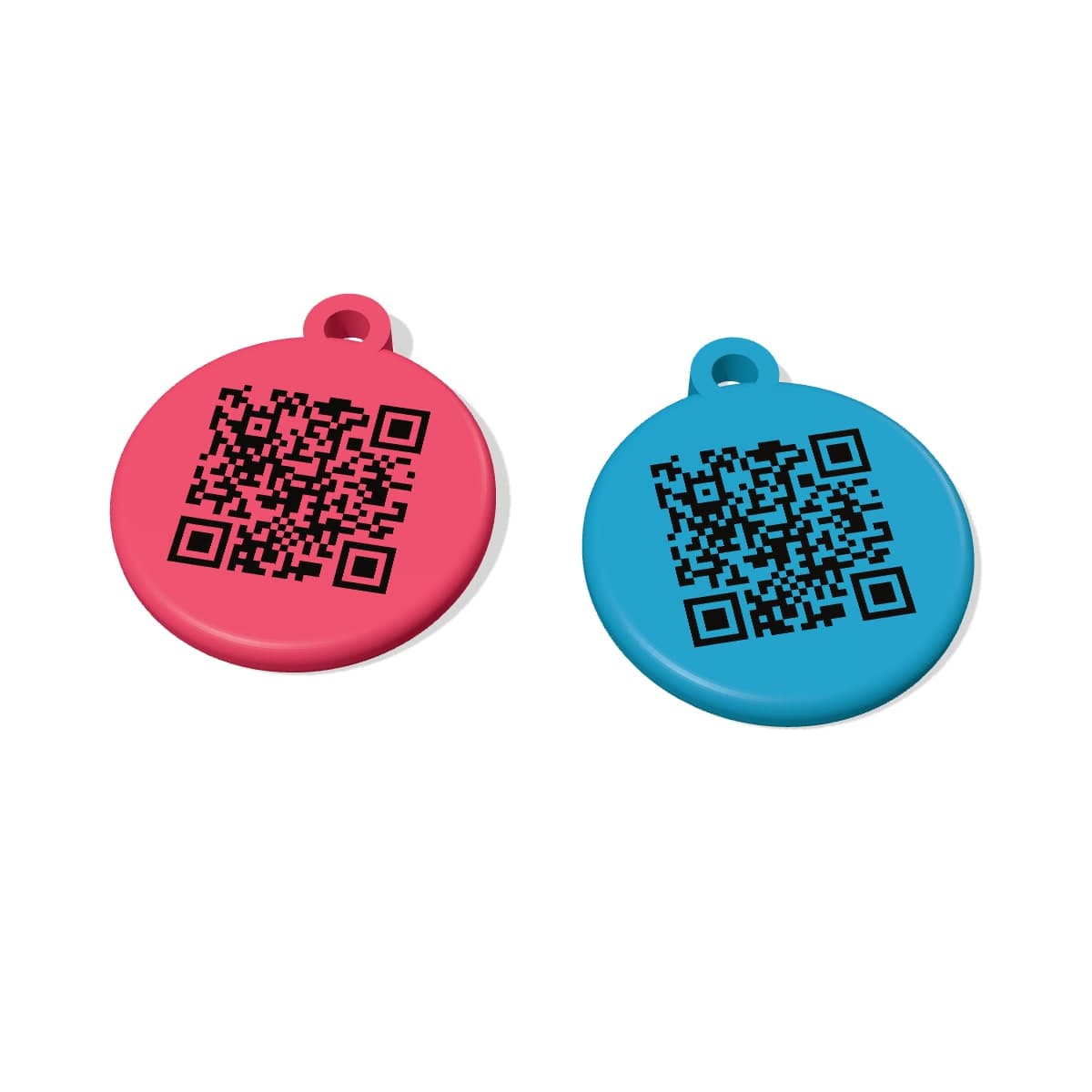
Puppies grow fast, so check the collar every week or two: you should be able to slide two fingers underneath. A QR code dog tag lets anyone who finds your puppy reach you, and you can update the profile as they grow. A personalised one has your surname, house number and postcode on the back too, and for a toy breed or a young puppy there are small and mini sizes at about 3 g and 2 g.
Paperwork to keep together
- The purchase or adoption paperwork
- The microchip number and database
- The vaccination record
- Your vet's details, and your insurance documents if you have insurance
- A few clear, recent photos, updated as your puppy grows
The first vet visit
Register with a vet and book a check-up soon after your puppy comes home. Your vet will set the vaccination schedule, tell you when it's safe for your puppy to walk in public places, and advise on flea and worming treatment.
Settling in safely
- Check the garden for gaps in fences and gates.
- Don't leave your puppy alone in the garden.
- Start recall training early, with lots of rewards.
- Keep the front door closed while your puppy is loose in the house.
Quick answers
When must a puppy be microchipped?+
By the time they're 8 weeks old, which is usually before they leave the breeder. Ask for the chip number and transfer the record into your name.
Does my puppy need an ID tag?+
Yes, once they're out in public. The law says dogs must wear a collar with the owner's name and address on it (a personalised collar counts) or on a tag.
Can I buy a puppy from a pet shop in England?+
Not a young one. Since 6 April 2020, a pet shop or other licensed seller can't sell a puppy under six months old unless it bred the puppy itself, so you buy direct from the breeder or adopt from a rescue centre.
Sources (7)
- Lucy's Law comes into force (GOV.UK)
- Get your dog or cat microchipped (GOV.UK)
- Buying a cat or dog (GOV.UK, December 2025)
- Dog breeding licence (England) (GOV.UK)
- The Control of Dogs Order 1992 (legislation.gov.uk)
- The Santander Quarterly Scamtracker reveals soaring pet scams (Santander UK, April 2026)
- The Animal Welfare (Licensing of Activities Involving Animals) (England) (Amendment) Regulations 2019 (Lucy's Law)
This guide is general information, not legal or veterinary advice. How we write our guides