Walking your dog in the dark: staying safe and seen
Updated 6 October 2026 · 4 min read
When the clocks go back in late October (on Sunday 25 October in 2026), lots of dog walks move into the dark. Here's how to make sure drivers can see you both, what the Highway Code asks of dog walkers, and the winter hazards that are harder to spot at night, from the advice of PDSA, Dogs Trust and Cats Protection, checked on 6 October 2026.
Walk in daylight when you can
PDSA suggests walking your dog in daylight where you can. When you can't, plan a route with wide pavements and street lights, and stick to places you know well. Somewhere that's easy in summer, like a field edge or a towpath, can be hard to see in the dark.
Make sure you're both seen
- For your dog: Dogs Trust suggests a coat with high-visibility reflective features, a flashing collar or a light attachment. An LED collar or tag, or a hi-vis lead, works too.
- For you: the Highway Code says reflective materials, such as armbands, sashes, jackets and footwear, can be seen by drivers using headlights up to three times as far away as non-reflective ones.
- A good torch, so you can see where you're going and spot hazards like broken glass, and so drivers can see you.
What the Highway Code says
- Rule 56: "Do not let a dog out on the road on its own. Keep it on a short lead when walking on the pavement, road or path shared with cyclists or horse riders."
- Rule 2: if there's no pavement, keep to the right-hand side of the road so you can see oncoming traffic, and keep your dog on the side away from the cars.
- On some roads, your council has made it an offence to have a dog off the lead at all (section 27 of the Road Traffic Act 1988, in England, Wales and Scotland). Look out for signs.
Near roads
- Keep your dog on a short, strong lead attached to a well-fitting collar or harness. PDSA's advice is to let them off only in securely fenced areas.
- Teach “sit” and “wait” before crossing, then a “walk” cue once it's safe, as PDSA suggests.
- Check the lead, collar and harness before the winter: Dogs Trust points out that wet weather can rust metal clips, and suggests doing up clips indoors before you set off.
- Leave the headphones at home, so you can hear what's coming.
Winter hazards
- Antifreeze and de-icer: they contain ethylene glycol, which tastes sweet to dogs and cats and is extremely toxic. PDSA says symptoms can start within an hour and dogs have a better chance if treatment starts within the first 12 hours, so call your vet straight away if you think your dog has licked some, without waiting for symptoms. Keep it out of reach and clean up spills.
- Grit and salt: wipe your dog's legs, feet and belly after walks on gritted roads, as grit and damp can irritate their skin, and so they don't lick it off.
- Frozen ponds and lakes: keep your dog on the lead near them, as the ice may not take their weight. If your dog falls through, Dogs Trust's advice is not to go in after them: encourage them to swim back to you if you can, and call the emergency services.
- Cold: shorter-haired breeds, puppies and older dogs may need a coat when it gets chilly, and a reflective one helps you be seen too.
If your dog runs off in the dark
A dog is harder to spot at night, and a frightened dog can run a long way. Dogs Trust's advice is to make sure your dog is wearing a collar and ID tag, that they're microchipped, and that your details on the microchip database are up to date. Have a recent photo on your phone, and if they do go missing, start our lost dog checklist straight away.
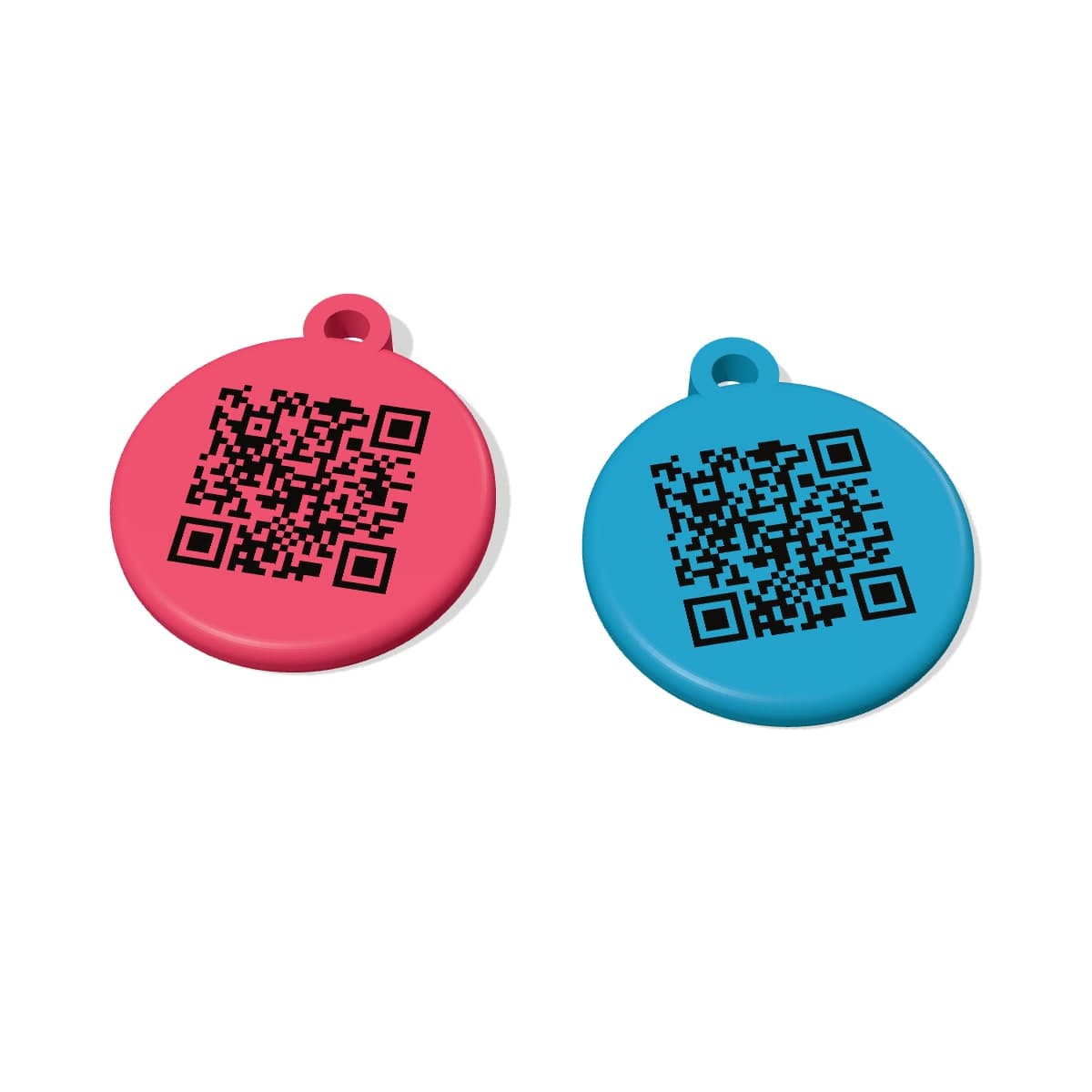
A microchip can only be read with a scanner, usually at a vet, a rescue or the council's dog warden, which can mean waiting until morning. A QR code dog tag lets whoever finds your dog reach you in seconds, at any time of night, without needing your phone number on the tag.
Cats and dark evenings
Cats Protection says there's an increased risk of cats being hit by cars at night, and that cats hunt most at dawn and dusk. It recommends keeping your cat in at night, and PDSA suggests feeding your cat as it gets dark, so they're in the habit of coming home. If your cat wears a collar, choose a reflective quick-release one.
Driving on dark evenings? If you ever hit a dog or cat, here's what to do: the law is different for each.
Quick answers
When do the clocks go back in 2026?+
On Sunday 25 October 2026, when British Summer Time ends and the evenings get darker.
Does my dog have to be on a lead near roads?+
The Highway Code says to keep your dog on a short lead on the pavement, road or paths shared with cyclists or horse riders, and never to let it out on the road on its own. On roads your council has designated, having a dog off the lead is an offence under section 27 of the Road Traffic Act 1988.
Should my dog wear a light at night?+
It helps. Dogs Trust suggests a reflective coat, a flashing collar or a light attachment, so drivers can see your dog, and you should wear something reflective too.
Is antifreeze dangerous to dogs?+
Yes, very. It tastes sweet, and PDSA says even a small amount can permanently damage a dog's kidneys. Call your vet straight away if you think your dog has licked some, without waiting for symptoms.
Should I wash my dog's paws after winter walks?+
Yes. Dogs Trust suggests wiping your dog's legs, feet and belly after walks, as grit from the roads and damp can irritate their skin.
Sources (9)
- Rules about animals (47 to 58), including rule 56 on dogs (The Highway Code, GOV.UK)
- Rules for pedestrians (1 to 35) (The Highway Code, GOV.UK)
- Road Traffic Act 1988, section 27: control of dogs on roads (legislation.gov.uk)
- Pet care advice for winter (PDSA)
- Five ways to protect your pets as evenings get darker (PDSA)
- Antifreeze poisoning in dogs (PDSA)
- Tips for looking after your dog in the winter cold (Dogs Trust)
- How to keep your cat safe on the roads (Cats Protection)
- When do the clocks change? (GOV.UK)
This guide is general information, not legal or veterinary advice. How we write our guides