Lost pet and microchip scams: how to spot them (UK)
Updated 5 October 2026 · 6 min read
Losing a pet is the moment scammers count on: you're worried, your number is on posters, and you'd pay almost anything to get them back. Other scams target every owner, like emails warning that your pet's microchip registration has "expired". Here's how the common ones work, how to check what's genuine, and where to report them, from GOV.UK, the police and the UK animal charities.
Fake microchip databases and "renewal" emails
GOV.UK lists 24 microchip databases that meet government standards, and warns that "If you get an email from any other database, asking for money to register your pet, it could be a scam." Rogue sites copy the look of real databases, and some pay to appear at the top of search results, according to AMDO, the trade body for compliant databases.
One example: in February 2025, Which? reported that a site called PetChip, which isn't on the government's list, had emailed owners using their pets' real names to say the registration had expired. One owner had been paying it £26.95 a year since 2022. The Advertising Standards Authority has since ruled that its Google ads misleadingly suggested it was an approved database.
- AMDO says a genuine database registration doesn't expire, so a message saying your pet's chip is "expiring" or "no longer registered" is a warning sign.
- Genuine databases can charge, though, for example for changes or an optional yearly plan, and they do email customers. So don't click the link in any message: go to the database's own website yourself and log in, and only use a database on GOV.UK's approved list.
- Not sure where your pet's chip is registered? The Check-a-Chip lookup that GOV.UK links to searches all the compliant databases.
- If you've paid a site that isn't on the list, ask it for a refund, contact your bank or PayPal, report it (below), and make sure your pet is registered on an approved database.
"We've found your pet" calls and texts
This is the cruellest one. Blue Cross warns about callers who say they've found your pet and ask for a "processing fee" or money towards vet bills, then keep it. DogLost recorded 70 incidents across the country in two months in 2018, where owners of missing dogs were sent badly worded texts from unknown numbers demanding about £25 to £50. The owners who paid didn't get their dogs back.
Some scammers pretend to be a charity. The RSPCA says it doesn't ask for money over the phone for vet care for a missing pet, and that a caller's number can be faked to look like its own. To check, ask for a reference number and the officer's name, then ring the RSPCA yourself on 0300 1234 999.
- Don't pay in advance, for anything. DogLost is free, and it says anyone asking for money to find or return your dog isn't one of its volunteers.
- Ask for a photo of your pet as it is now. The DogLost scammers never sent one.
- Take proof that the pet is yours when you collect them (PDSA's advice), and see how to prove a pet is yours.
- Take someone with you, tell someone where you're going, and don't carry a lot of cash (Animal Search UK's advice).
Ransom demands
Some owners are told to pay or their pet will be harmed. In 2021, Lancashire Police warned about texts demanding a ransom in bitcoin from owners who'd posted their details online, with no proof the sender had the dog. The police treat this as blackmail. The government's Pet Theft Taskforce also noted that criminals may blackmail owners for reward money "in some cases they may not even have the pet".
North Yorkshire Police's advice is not to pay a ransom, to contact the police instead, and not to meet anyone who says they have your pet without talking to the officer dealing with your case. Call 101, or 999 if someone is in danger.
Keep your phone number off the public bits
Scammers find owners through posters and posts. The RSPCA says numbers on missing pet posters can be used by scammers, and Animal Search UK suggests not putting your personal number on posters, and saying "reward" without an amount, because big rewards attract hoaxers.
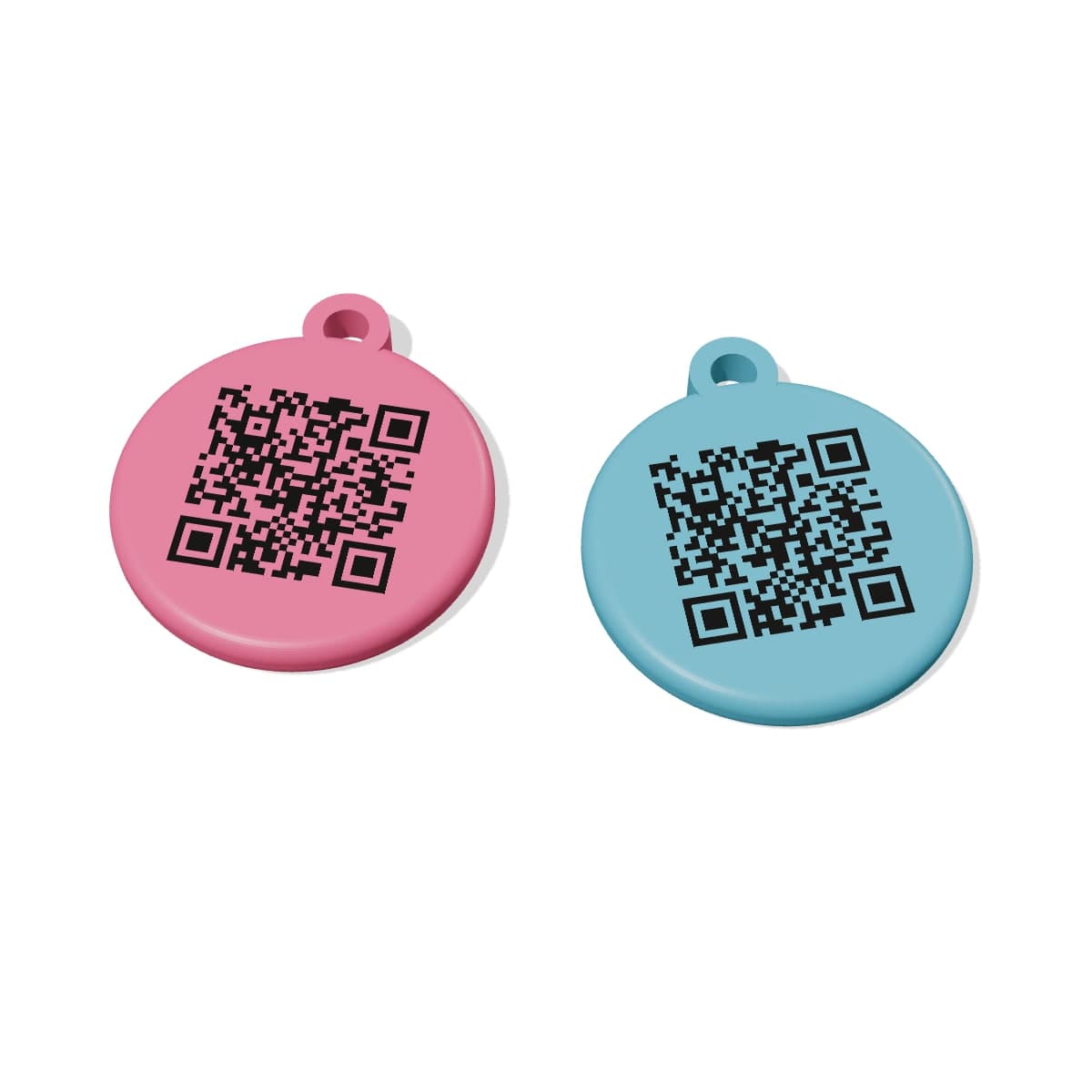
One way round it: our free lost pet poster maker can add your PetTag's QR code, so people who see the poster can message you through your pet's page, and a QR code tag on the collar does the same for whoever finds your pet, without your number being shown unless you choose to show it.
Buying a pet: deposit scams
The biggest pet scam by money lost is the pet that doesn't exist. In the year to March 2021, people lost £2,638,323 after putting down deposits for pets they'd seen advertised online, and 71% of the reports involved dogs or puppies (Action Fraud, July 2021).
GOV.UK's advice is to see the animal and its paperwork before you buy, including its microchip records. Greater Manchester Police adds not to pay by bank transfer, where you're largely unprotected. Our guides on checking a dog isn't stolen, the new puppy checklist and buying a kitten have the checks to make.
Where to report a pet scam
- England, Wales and Northern Ireland: Report Fraud, which replaced Action Fraud in December 2025, at reportfraud.police.uk or on 0300 123 2040.
- Scotland: Police Scotland on 101.
- A threat, ransom or a stolen pet: the police on 101, or 999 in an emergency.
- A scam text: forward it free to 7726. A scam email: forward it to report@phishing.gov.uk.
- If you've paid by card or bank transfer, call your bank straight away. Ofcom points out that 159 reaches most UK banks.
- If your pet is missing, make sure your microchip database knows, so it's flagged on the record.
Quick answers
Do microchip registrations expire?+
No. AMDO, the trade body for compliant UK databases, says a genuine registration doesn't expire. Some databases sell optional yearly plans, so if you get a renewal request, log in to your database's own website to check rather than clicking a link.
How do I know if a microchip database is genuine?+
Check it's on GOV.UK's list of databases that meet government standards. GOV.UK warns that an email from any other database asking for money to register your pet could be a scam.
Someone says they've found my pet and wants money. What should I do?+
Don't pay anything in advance. Ask for a photo of your pet as it is now, take proof of ownership and someone with you when you collect them, and report any demand for money to the police on 101.
Should I offer a reward for my lost pet?+
You don't have to. PDSA says rewards can attract people who are only after the money. If you do, Animal Search UK suggests saying "reward" without naming an amount, and paying it later, once your pet is home.
Where do I report a pet scam in the UK?+
To Report Fraud at reportfraud.police.uk or on 0300 123 2040 in England, Wales and Northern Ireland, or to Police Scotland on 101. Forward scam texts to 7726 and scam emails to report@phishing.gov.uk.
Sources
- Get your dog or cat microchipped (GOV.UK)
- Non-compliant microchip databases (AMDO, October 2024)
- Pet owners risk £500 fine for using unaccredited microchip company (Which?, February 2025)
- Ruling on Petchip.Network (Advertising Standards Authority, March 2025)
- Missing and stray dogs (Blue Cross)
- Phone scams (RSPCA)
- Warning over heartless scam targeting owners of lost dogs (DogLost, December 2018)
- Lost and found pets (PDSA)
- Lost cat help (Animal Search UK)
- Keeping your pets safe (North Yorkshire Police)
- Pet theft taskforce report (GOV.UK, September 2021)
- Report Fraud: new service from City of London Police (GOV.UK, December 2025)
- Report a scam text message (National Cyber Security Centre)
- Reporting scam texts and calls to 7726 (Ofcom)
- Buying a cat or dog (GOV.UK)
This guide is general information, not legal or veterinary advice. How we write our guides